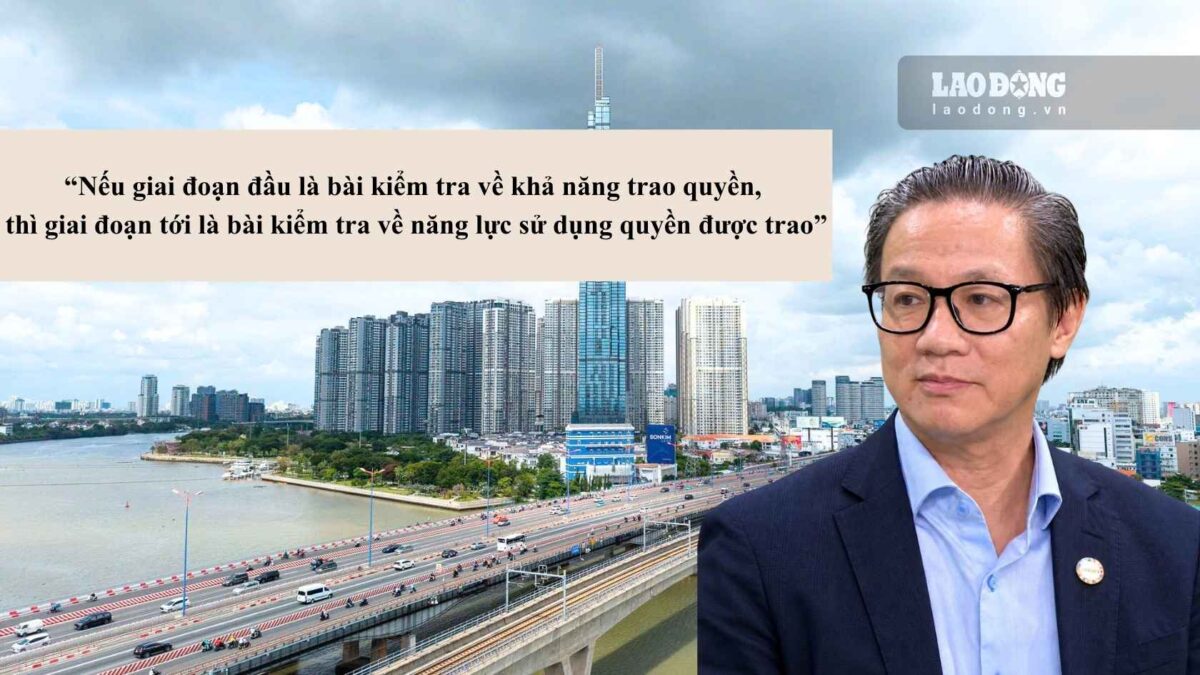
Mr. Dinh Hong Ky was interviewed by Lao Dong Newspaper in an article published on November 13, 2026
Following the merger, [Ho Chi Minh City](https://laodong.vn/tags/tphcm-18.ldo “Ho Chi Minh City”) has gained additional room for development, but it needs to unlock resources and enhance implementation capacity to create new growth drivers.
From Special Mechanisms to the Need for Substantive Resource Mobilization
After a period of implementing Resolution 98 (subsequently amended and supplemented by Resolution 260/2025/QH15), Ho Chi Minh City has achieved certain improvements in mobilizing resources, attracting investment, and removing development bottlenecks.
However, according to Mr. Dinh Hong Ky – Chairman of Secoin Company, Chairman of the Ho Chi Minh City Construction and Building Materials Association (SACA), Chairman of the Ho Chi Minh City Green Business Association (HGBA), Vice Chairman of the Ho Chi Minh City Union of Business Associations (HUBA), and Vice Chairman of the Vietnam Association for Building Materials (VABM) – the effectiveness of different groups of mechanisms still varies.
According to Mr. Ky, the group of mechanisms that has demonstrated the clearest effectiveness is decentralization and delegation of authority, enabling the City to make decisions proactively. Conversely, mechanisms that require a supporting legal ecosystem, such as carbon credits, attracting strategic investors, public-private partnerships in emerging sectors, or science and technology policies that accept implementation risks, have progressed more slowly. The reason lies in the gap between policy and implementation.
However, Mr. Ky emphasized that implementation and impact are two different measures. The biggest bottleneck is the situation in which “special mechanisms operate through ordinary procedures.” Although the City has been granted decision-making authority, it must still go through multiple layers of administrative procedures, diminishing its advantage in speed.
Carbon credits are one example. The resolution has paved the way, but synchronized regulations on measurement, verification, recognition, and trading are still lacking – matters that a locality cannot resolve on its own.
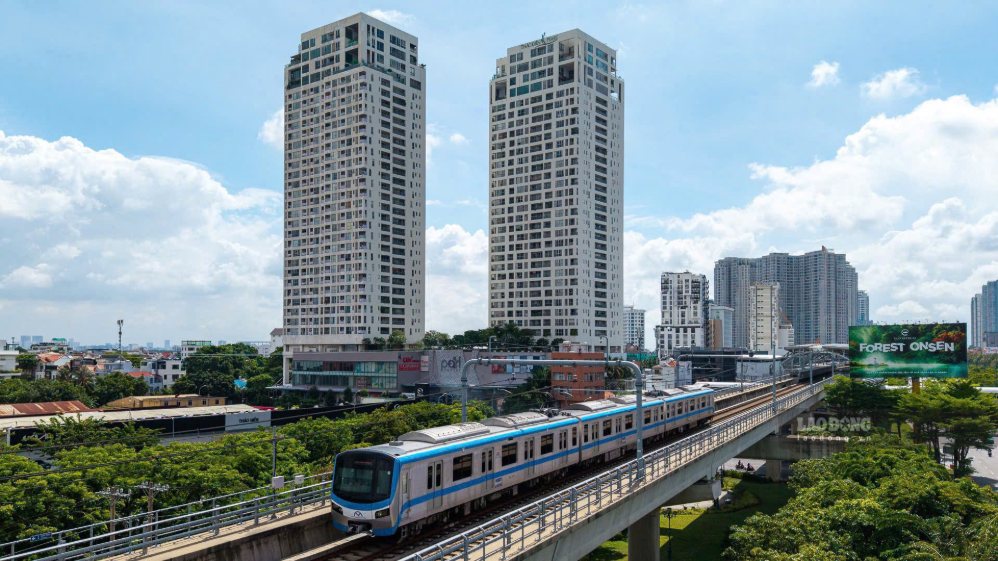
Resolution 260 further expands the scope for transit-oriented development (TOD), free trade zones, strategic investors, and the protection of officials who dare to think and act boldly. If the initial phase was a test of the ability to delegate authority, the next phase will be a test of the capacity to exercise the authority granted.
Based on this reality, Mr. Ky proposed that each mechanism should have a single focal point responsible throughout the entire process; a publicly available impact monitoring dashboard tracking processing times, disbursed capital, and the number of projects entering operation. At the same time, a coordination channel with central authorities should be established, with specified deadlines for resolving issues beyond local authority.
However, the larger challenge is not merely removing administrative obstacles but also unlocking social resources, particularly private capital, for sectors that generate high added value.
To unlock capital flows into innovation, Mr. Ky proposed four approaches.
First, the State should become the first customer of innovation. The City should publicly announce procurement needs, allow controlled experimentation, and purchase solutions that meet requirements to address issues such as flooding, transportation, waste, energy, and healthcare.
For example, encouraging the use of certified recycled materials in public investment projects would create incentives for businesses to invest in technology. An initial contract can sometimes be worth more than many subsidies.
Second, share risks rather than provide subsidies. The State should study mechanisms for co-investment with venture capital funds, using public capital as seed funding under Israel’s Yozma model.
Under this approach, professional investors decide which projects to select, rather than the State choosing winners on behalf of the market.
Third, provide incentives based on outcomes rather than inputs. Criteria should be linked to productivity, reductions in energy consumption and emissions, and the commercialization potential of new products.
At the same time, a compliance-based trust mechanism should be introduced so that businesses with strong compliance records can have their applications processed more quickly and face fewer overlapping inspections. This is also a way of rewarding businesses with time – their most valuable asset.
Fourth, open strategic projects to Vietnamese enterprises. TOD, metro, free trade zone, and high-tech projects should create opportunities for domestic businesses to participate or form joint ventures with international partners, linked to technology transfer and the development of local suppliers.
Because if Vietnamese enterprises only serve as low-cost subcontractors, growth may increase, but internal capabilities may not necessarily improve.
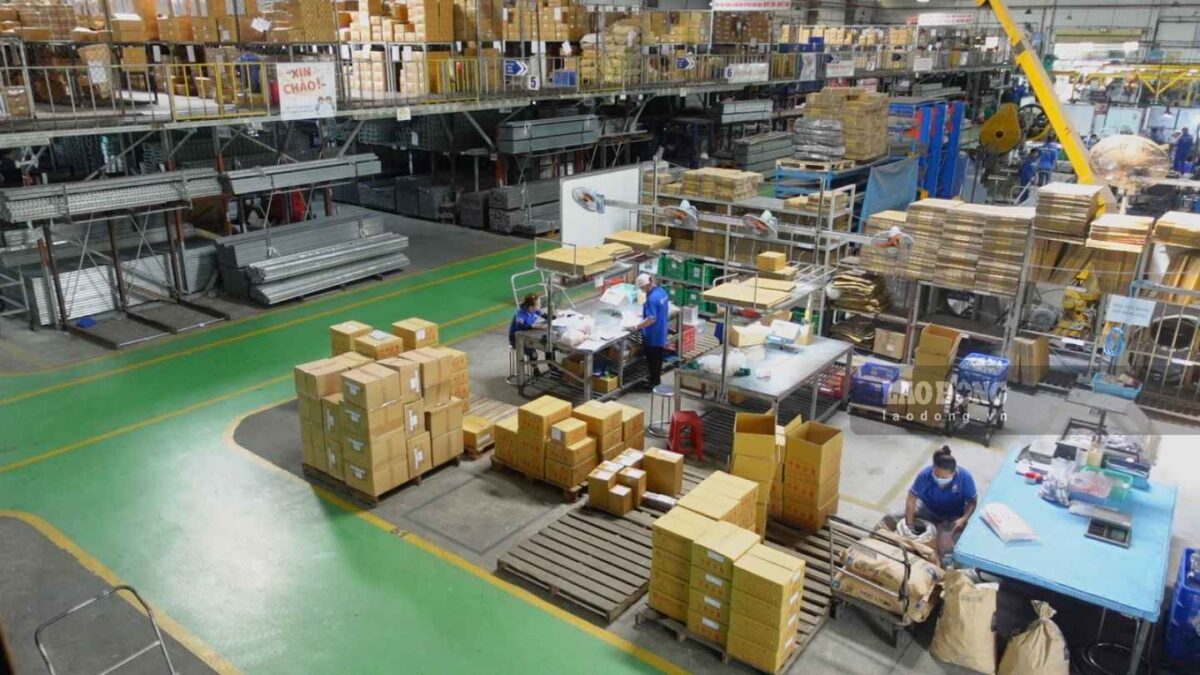
According to Mr. Ky, the knowledge economy is not limited to semiconductors or AI. A brick, steel, or furniture manufacturer can also be part of the knowledge economy if it knows how to use technology, data, design, and green standards to increase product value. The ultimate measure is how much of each unit of capital is invested in technology, people, and knowledge.
Restructuring Economic Space and Establishing a New Growth Ecosystem
If unlocking institutions and capital flows is the condition for releasing resources within the economy, restructuring development space will determine how Ho Chi Minh City organizes, connects, and utilizes those resources.
From a long-term development perspective, Associate Professor Dr. Do Phu Tran Tinh – Director of the Institute for Policy Development, Vietnam National University Ho Chi Minh City; University of Economics and Law – believes that the merger is not merely an expansion of administrative boundaries but, more importantly, a historic opportunity for Ho Chi Minh City to restructure its economic space, reallocate resources, and establish new growth drivers.
In particular, the City People’s Council’s recent approval of the Ho Chi Minh City Master Plan for the 2025–2050 period, with a 100-year vision, is an important step toward shaping a multipolar, multicenter urban development model, replacing the previous fragmented development approach based on administrative boundaries.
Accordingly, the former Ho Chi Minh City area should strengthen its role as a center for finance, trade, high-quality services, and innovation. The former Binh Duong area should become a center for high-tech industry, smart manufacturing, and supporting industries. Meanwhile, the former Ba Ria–Vung Tau area should capitalize on its advantages in deep-water seaports, international logistics, the marine economy, and energy.
The breakthrough does not lie in assigning functions to the three areas but in reorganizing them into an integrated economic ecosystem. In this ecosystem, finance and knowledge drive production, industry creates high-value products, and logistics connects them to global markets.
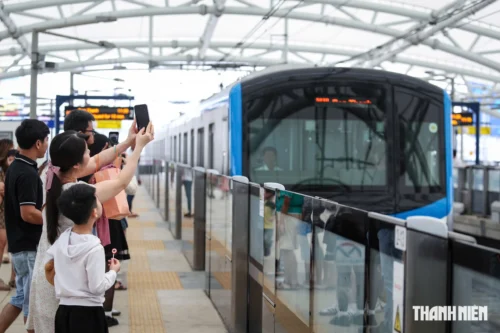
To realize the 100-year vision, the City needs to prioritize interregional transport infrastructure, strategic economic corridors, transit-oriented development (TOD), and unified coordination mechanisms for planning, investment, and land management. In particular, resources must be allocated based on economic efficiency and spillover potential, rather than being distributed equally among localities.
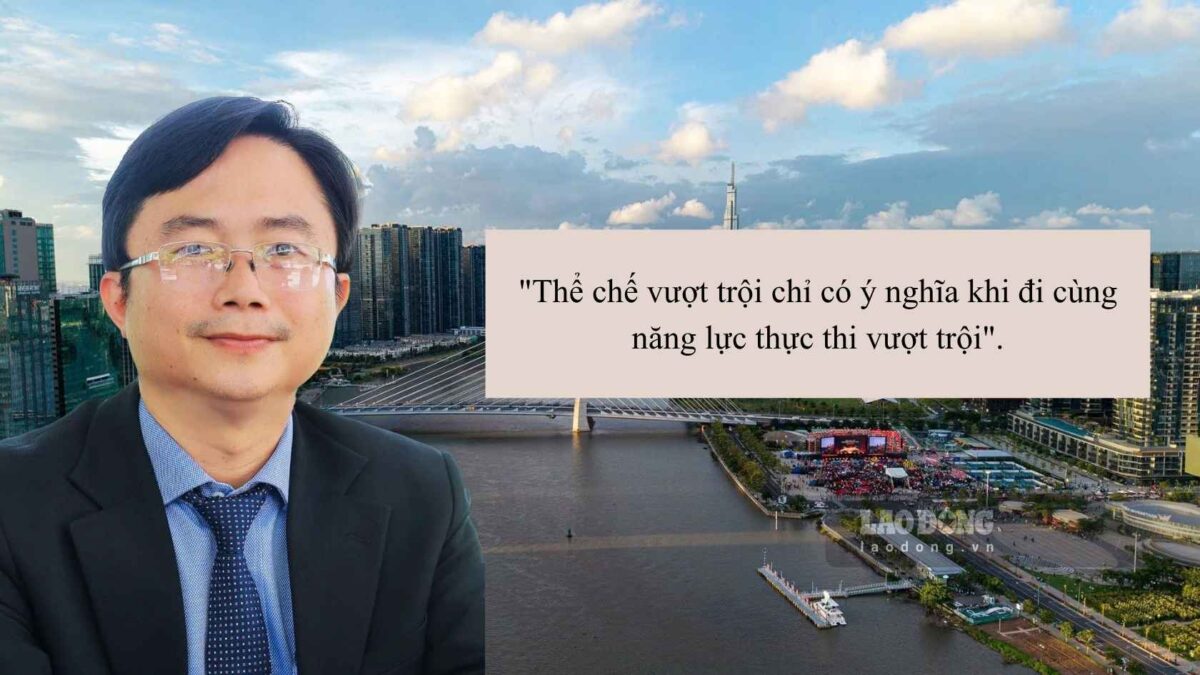
Associate Professor Dr. Do Phu Tran Tinh noted that Resolution 98 paved the way for institutional innovation, Resolution 260 continues to remove bottlenecks, while the Urban Development Law provides a longer-term legal framework for Ho Chi Minh City to proactively shape its development. However, superior institutions are meaningful only when accompanied by superior implementation capacity.
First, the City needs to review and clearly distinguish which mechanisms will continue to be implemented under Resolution 98 and which will transition to the Urban Development Law, ensuring there is no overlap or disruption to projects.
At the same time, it must shift from management by individual departments and agencies to results-based governance, clearly identifying the lead agency and responsibility for resolving each issue through to completion.
Regarding policy priorities, Mr. Tinh believes the City should focus on three breakthroughs. First, unlocking land resources and investment capital through TOD, capturing land value increments, and public-private partnerships to develop strategic infrastructure.
Second, developing new growth drivers, particularly free trade zones, financial centers, high-tech industries, and innovation ecosystems.
Third, achieving a breakthrough in the commercialization of knowledge by connecting universities, research institutes, enterprises, and investment funds; promoting technology transfer and establishing technology enterprises and high-value-added products.
According to Mr. Tinh, Ho Chi Minh City does not lack potential, resources, or institutions. What is needed at this stage is an administrative apparatus with sufficient capacity and a team of officials who dare to think, act, make decisions, and take responsibility for the common good.
At the same time, mechanisms are needed to protect proactive, innovative individuals who dare to pursue breakthroughs, turning potential resources into substantive growth drivers to serve the goal of double-digit growth.
Article link: https://laodong.vn/kinh-doanh/tphcm-truoc-buoc-ngoat-chuyen-doi-mo-hinh-tang-truong-1799237.ldo