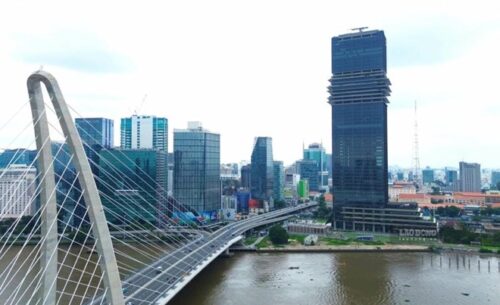
Mr. Dinh Hong Ky Interviewed by Thanh Nien Newspaper – October 15, 2026
Alongside the emergence of new growth drivers, revitalizing traditional ones is essential for Vietnam’s economy to achieve a breakthrough and meet its development targets. Public investment, one of the three key engines of economic growth, is also undergoing a transformation—from merely injecting capital into the economy to generating new momentum for sustainable development.
Major Infrastructure Projects Unlock New Development Opportunities
In the first year of Vietnam’s new era of national advancement, a series of major infrastructure projects, either completed or being accelerated toward completion, are opening up new avenues for development.
Long Thanh International Airport is more than just an aviation project. It is driving the development of an interconnected transport network, including the Ho Chi Minh City–Long Thanh–Dau Giay, Ben Luc–Long Thanh, Bien Hoa–Vung Tau, and Tan Van–Nhon Trach expressways, Ho Chi Minh City Ring Road 4, and connecting railway lines. Together, these projects are creating a closely integrated economic, logistics, and aviation ecosystem.

Similarly, once Ho Chi Minh City’s Ring Roads 3 and 4 are connected to industrial parks, logistics facilities, and urban centers, they will help expand manufacturing and service activities into surrounding areas.
In northern Vietnam, the Lao Cai–Hanoi–Hai Phong railway aims to connect domestic localities with China’s railway network and the Hai Phong port complex, potentially establishing a logistics and trade corridor linking manufacturing regions with seaports and international markets.
Meanwhile, Lach Huyen Deep-Water Port in Hai Phong, when integrated with logistics, industrial development, and a free trade zone, will serve not only as a cargo-handling hub but also as a catalyst for a new economic ecosystem. This development model extends beyond port operations to encompass an integrated value chain: ports, logistics, free trade zones, industry, services, and urban development.
Similarly, amid rapidly increasing electricity demand, several major power projects capable of adding thousands of megawatts of stable electricity supply are being urgently implemented.
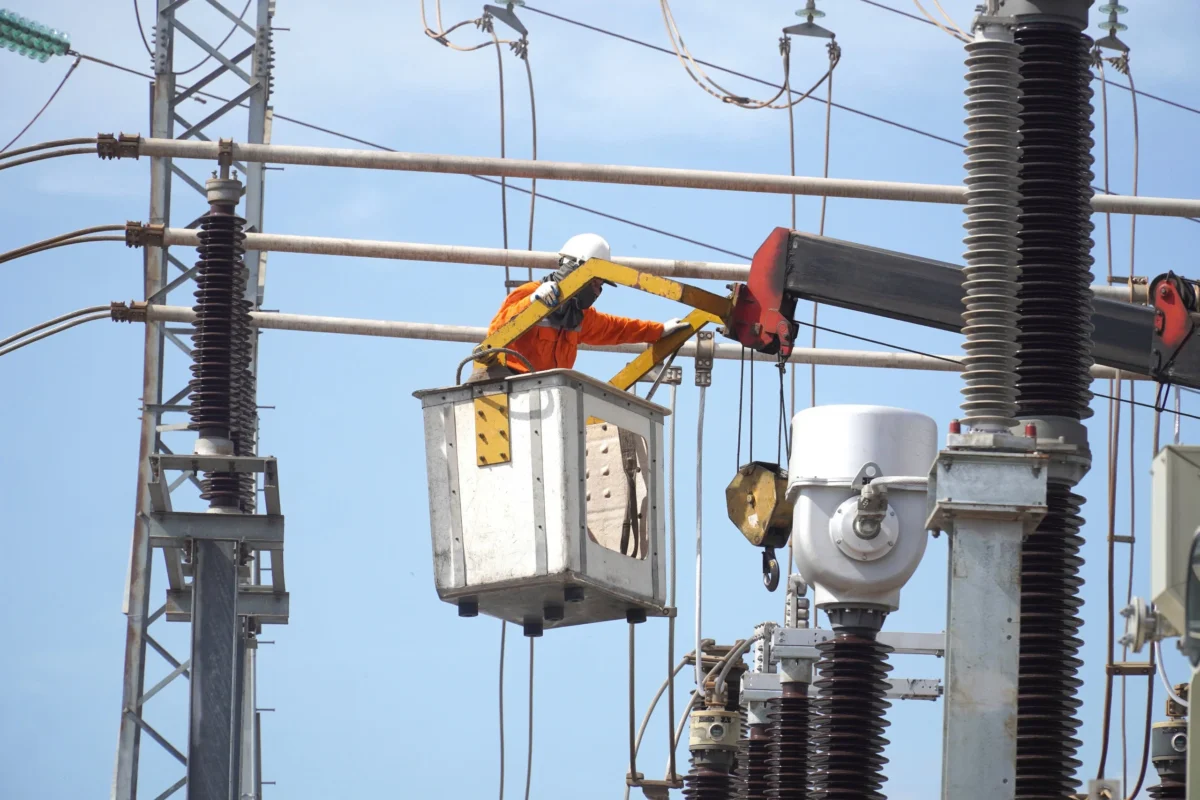
Among them, the Block B–O Mon gas-to-power project will not only supply thousands of megawatts of electricity to the southwestern region but also lay the foundation for an industrial and energy hub serving gas-intensive industries, electricity-dependent sectors, and processing industries.
In southeastern Vietnam, the Nhon Trach 3 and 4 LNG-fired power plants have entered commercial operation, creating further demand for the development of LNG import, storage, and supply infrastructure, as well as electricity transmission networks.
These examples demonstrate that the value of an infrastructure project lies not merely in its investment scale but also in the economic activities it can generate once operational.
During the first eight months of 2026, implemented investment capital from the state budget was estimated at VND 546.8 trillion, an increase of 18.5% year-on-year and equivalent to 50.5% of the annual plan. Public investment disbursement alone reached nearly VND 510 trillion, representing 49.8% of the planned amount.
Viewed from this new perspective, public capital has provided a substantial injection of momentum into the economy.
This explains why, during this pivotal year marking the beginning of a new development era, Vietnam has commenced construction on and inaugurated hundreds of projects of various sizes nationwide. These projects will serve as a launchpad for higher economic growth in the coming years.
Economist Dr. Vo Tri Thanh, Director of the Institute for Brand and Competitiveness Strategy, noted that when businesses make investment decisions, they consider not only land availability and transportation infrastructure but also a stable electricity supply, adequate transmission capacity, and the potential to expand power generation over the next 10 to 20 years.
Therefore, public infrastructure investment does more than create physical assets. Its broader objective is to establish favorable conditions for manufacturing, trade, services, and new investment projects to develop around those assets.
Expanding New Productive Capacity
For many years, public investment has primarily been viewed as a means of injecting capital into the economy, creating jobs, stimulating aggregate demand, and supporting economic growth.
Consequently, capital allocation plans, disbursement progress, and the number of completed projects have traditionally been key performance indicators.
However, as public investment increases in scale and growth expectations become more ambitious, its effectiveness must be evaluated from a broader perspective.
The question is no longer simply how much public capital has been disbursed, but rather how much new productive capacity, added value, and additional private-sector investment each unit of public capital can generate.
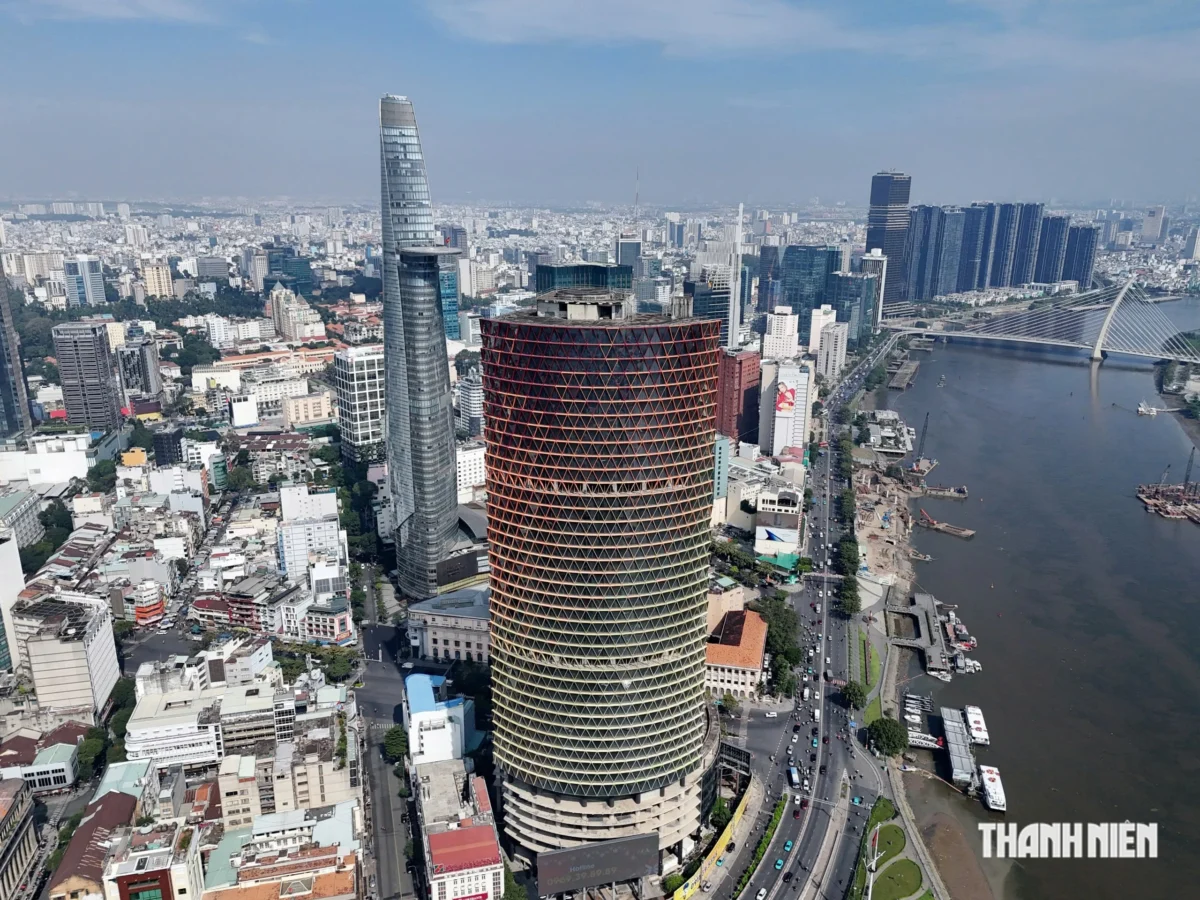
Dr. Vo Tri Thanh observed that public investment in Vietnam is increasingly producing a “crowding-in” effect, encouraging greater private-sector investment.
According to him, while the government was previously regarded primarily as the direct investor in infrastructure construction, public capital now plays an increasingly important role in mobilizing much larger financial resources from society.
“When an expressway, a major bridge, or a strategic infrastructure complex is completed, it opens up new development opportunities. The most visible effect is rising land values, followed by the emergence of industrial parks, urban areas, and service facilities, which naturally attract private investment.
“Consider a metro line, for example. Its economic impact differs significantly depending on whether it is viewed merely as a transportation project or as a catalyst for urban development. Around metro stations, privately financed shopping centers, offices, residential developments, and service facilities can emerge. The spillover effects are substantial,” Dr. Thanh explained.
He emphasized that public investment not only provides strategic direction but also stimulates investment, expands development opportunities, and creates greater participation opportunities for the private sector.
From a business perspective, Mr. Dinh Hong Ky, Chairman of the Ho Chi Minh City Construction and Building Materials Association and Vice Chairman of the Ho Chi Minh City Union of Business Associations (HUBA), argued that the way public investment efficiency is measured must change.
Instead of focusing solely on how much capital a project disburses or when it is completed, policymakers should assess how much private investment and new economic value each unit of public capital generates.
For example, when planning a metro line, airport, or seaport, investment decisions should simultaneously consider infrastructure, land resources, economic development space, and mechanisms for mobilizing private capital.
He proposed introducing the concept of a “private investment mobilization multiplier.” Under this approach, alongside total investment costs and implementation schedules, projects with significant commercial potential could establish targets for the amount of private capital they are expected to mobilize.
“The ratio of one unit of public capital mobilizing three to five units of private capital should not be treated as a rigid formula. However, it could certainly become a management target for projects with substantial potential to generate commercial value.
“In this way, the government does not need to undertake everything itself. Public capital should pave the way, while the creation of economic value should draw upon the strength of market forces,” Mr. Dinh Hong Ky stated.
Creating Long-Term Value
In previous development stages, tangible assets such as roads, bridges, ports, airports, factories, electricity systems, schools, and hospitals formed the essential foundation of economic growth through public investment.
In the new era, however, technological capabilities, data, artificial intelligence (AI), research and development (R&D), highly skilled human resources, and innovation are increasingly becoming integral components of national productive capacity.
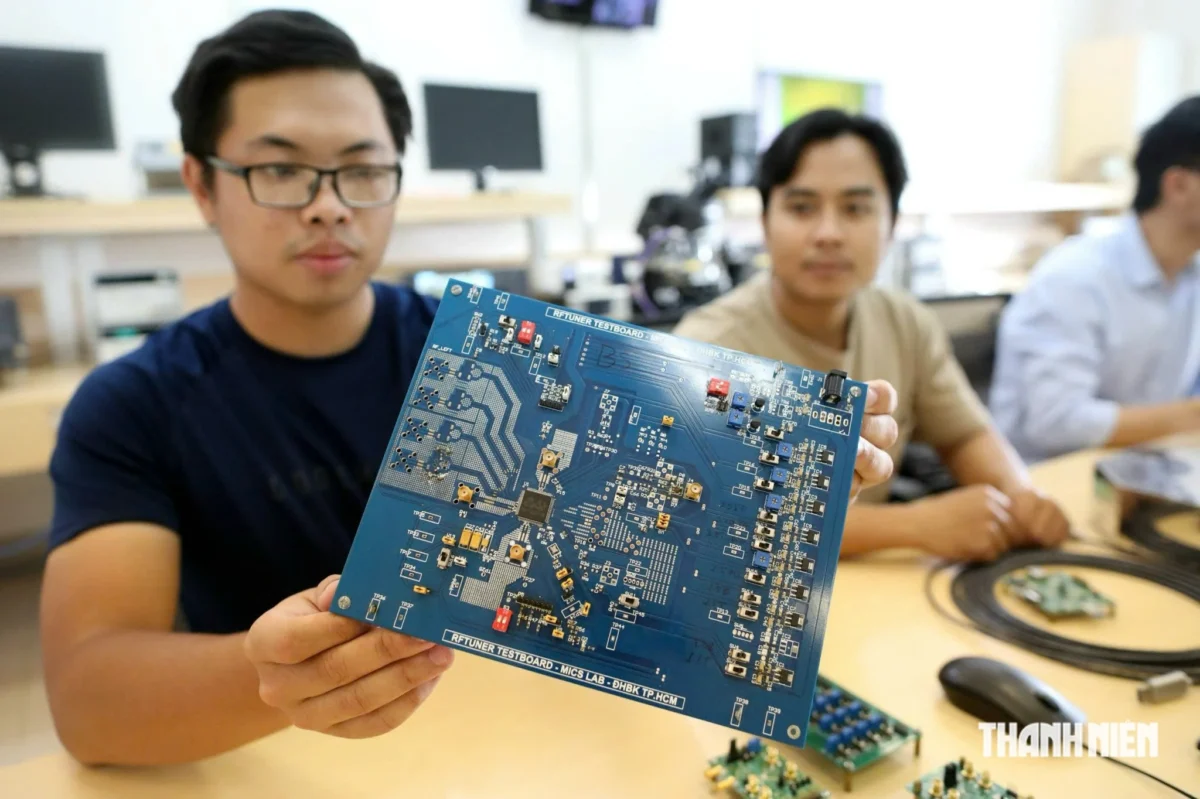
In other words, public investment must not only create additional assets but also strengthen the ability to use those assets to generate greater economic value.
Resolution No. 57 sets a target for the digital economy to account for at least 30% of GDP by 2030. It also aims to increase R&D expenditure to 2% of GDP, with non-state resources contributing more than 60%, while total factor productivity is expected to contribute over 55% to economic growth.
Experts believe these targets demonstrate that the infrastructure supporting economic growth is no longer confined to roads, bridges, and railway stations. It also encompasses laboratories, data centers, universities, engineers, scientists, and technology-driven business ecosystems.
According to Mr. Dinh Hong Ky, the fundamental difference in public investment during this new development stage is the need to shift from a project-construction mindset to one focused on creating long-term development capacity.
The effectiveness of public investment should be evaluated throughout an asset’s lifecycle and based on its broader economic impact, rather than solely at the time of project acceptance and handover.
“New development space is not merely geographical space. More importantly, it encompasses new economic and knowledge-based opportunities.
“A new airport can only become a genuine driver of growth if it stimulates the development of logistics, industry, trade, services, and innovation in the surrounding area.
“Similarly, a metro line should do more than transport passengers. It should contribute to urban restructuring and the emergence of new economic centers,” Mr. Dinh Hong Ky explained.
Elaborating further, he stated that every major infrastructure project can generate three layers of value.
The first layer is connectivity infrastructure.
The second layer consists of businesses, urban developments, and value chains that emerge around the infrastructure.
The third layer encompasses technology, research and development, data, and human resources.
If a project creates only the first layer, it remains merely an infrastructure asset. However, if it generates all three layers, it can become a new engine of economic growth.
This perspective is particularly relevant as Resolution No. 57 targets R&D expenditure equivalent to 2% of GDP, with more than 60% coming from non-state resources.
Mr. Dinh Hong Ky emphasized the need to shift from an “infrastructure project investment” mindset to an “ecosystem investment” approach.
Every major national project should address additional questions: How much private investment will it mobilize? What new value chains will it create? And what new technologies or capabilities will Vietnamese enterprises be able to master as a result?
Under this approach, the private sector should no longer be viewed merely as a beneficiary of government policies but as a partner working alongside the state to drive development.
Therefore, major national infrastructure projects should also become opportunities to build the capabilities of Vietnamese enterprises, rather than simply serving as markets for purchasing equipment, technologies, and services.
“Public capital paves the way, institutions unlock opportunities, private capital creates value, and Vietnamese technology builds long-term capabilities,” Mr. Dinh Hong Ky stated.
Dr. Vo Tri Thanh also emphasized that investment in Vietnam’s next development stage cannot focus exclusively on physical infrastructure. It must simultaneously advance digital infrastructure, data systems, science and technology, and highly skilled human resources.
This does not mean replacing hard infrastructure with soft infrastructure. Rather, both must be developed in parallel.
To move goods efficiently, an economy needs not only roads and seaports but also data systems capable of managing supply chains.
Seaports seeking deeper integration with global port networks must also undergo digital transformation.
Businesses aiming to expand their markets and optimize production are becoming increasingly dependent on data and AI.
Therefore, investment in laboratories will generate limited value if research outcomes cannot be applied in practice. Similarly, digital infrastructure will deliver limited benefits if data remains disconnected or underutilized. Workforce development must also be closely aligned with the needs of emerging technology industries.
In Vietnam’s new development era, the most significant transformation in public investment is therefore not whether the government spends more or less, but how effectively each unit of public capital is converted into sustainable growth capacity.
Nevertheless, Dr. Thanh cautioned that alongside accelerating infrastructure projects with strong spillover potential, Vietnam must maintain macroeconomic stability, improve its capacity to absorb investment, advance institutional reforms, and strengthen regional connectivity to maximize the benefits of major infrastructure developments.
When infrastructure projects are developed in a coordinated manner, their value extends beyond the physical transportation facilities themselves to the new economic opportunities created in surrounding areas.
Public investment in transportation infrastructure can generate value far beyond the boundaries of individual projects when improved connectivity translates into passenger flows, commercial activity, services, and new revenue streams.
Dr. Nguyen Thi Hong Trang, Saigon University
“A road must create new connections; an airport must open up new markets; an electricity system must enable the development of new manufacturing industries; and a research center must generate new technologies and skilled human resources.
“At that point, capital disbursement is no longer the final objective of public investment. Neither is the completion of a project.
“The more important measure is what new productive capacity the economy gains, what additional opportunities become available to businesses, and what new investment flows emerge after public capital has been deployed.”
Dr. Vo Tri Thanh, Director of the Institute for Brand and Competitiveness Strategy