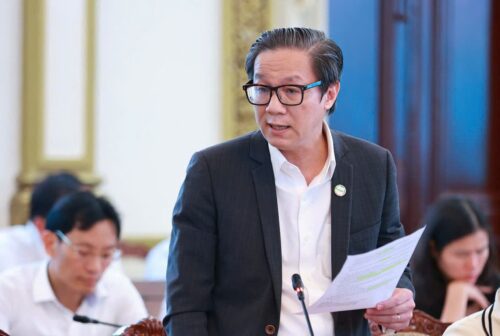
Mr. Dinh Hong Ky gave an interview to VnExpress, published on May 19, 2026.
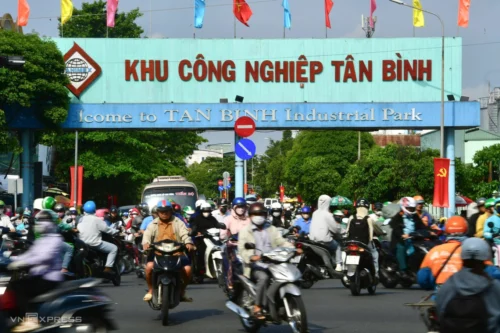
Thirty-five years after becoming a symbol of Vietnam’s Đổi Mới era, Tan Thuan Export Processing Zone is entering a new phase of transformation alongside Ho Chi Minh City as it searches for a new growth model following regional integration.
In 1991, when Vietnam’s economy was still cautious about market-oriented reforms, Ho Chi Minh City chose Tan Thuan as a bold experiment. The city partnered with Taiwanese investors to develop a new-style export processing zone featuring synchronized infrastructure, export-oriented manufacturing, a “one-stop” administrative mechanism, and foreign direct investment attraction.
From Tan Thuan, Ho Chi Minh City continued to develop Linh Trung, Tan Binh, and later a series of industrial parks stretching across the Southeast region. Tens of thousands of workers migrated to the city, helping transform it into the country’s largest manufacturing and export hub for many years.
“Tan Thuan Export Processing Zone was once a symbol of Ho Chi Minh City’s spirit of daring to think and daring to act,” said Associate Professor Dr. Tran Hoang Ngan, Member of the National Assembly and Chairman of the Development Innovation Advisory Council at Saigon University.
Within the structure of the post-merger mega-city, the former Ho Chi Minh City area is being positioned as a center for finance, technology, and innovation; Binh Duong is expected to serve as a large-scale industrial manufacturing hub; while Ba Ria – Vung Tau will function as a logistics, seaport, and marine economy center. This transformation means that inner-city industrial zones can no longer continue operating under their old models.
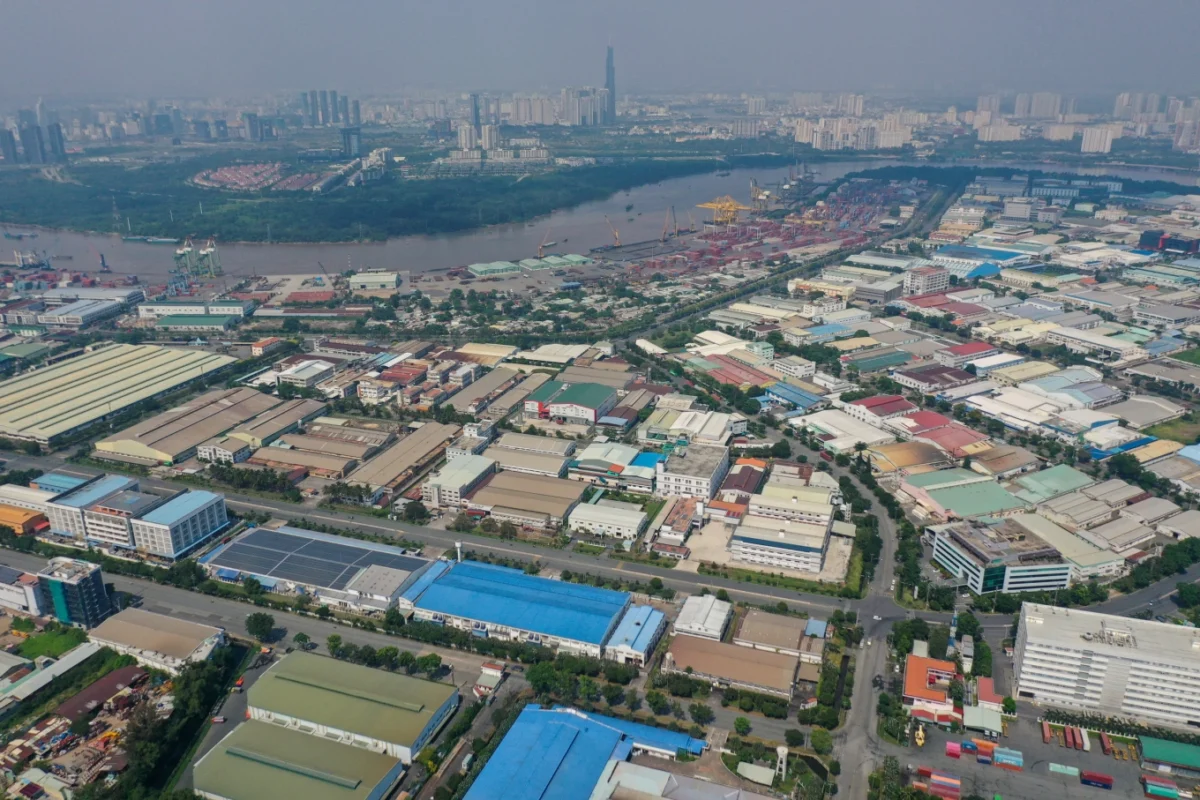
In recent years, Tan Thuan has already begun shifting direction. The export processing zone currently hosts more than 250 active projects, with over 70% being foreign-invested enterprises. Instead of focusing on rapid occupancy, Tan Thuan has proactively selected investors to increase technological content, attracting companies such as Renesas and VNG. The area is no longer merely a manufacturing hub, but is gradually evolving into a high-tech concentration point.
However, Vietnam’s first export processing zone is facing a major paradox. Tan Thuan’s operational license is set to expire in 2041, leaving only around 15 years of actual operating time remaining. This has made many investors hesitant when considering long-term technology or research projects.
Bottlenecks in Implementation
From a business perspective, Mr. Dinh Hong Ky, Chairman of the Ho Chi Minh City Construction and Building Materials Association, believes that the greatest concern of the business community today is no longer the lack of mechanisms, but rather that “mechanisms already exist, yet their conversion into real value remains far too slow.”
According to him, after more than a decade of slowing growth, Ho Chi Minh City is forced to change its development model if it wants to reclaim its role as Vietnam’s leading economic engine.
“Ho Chi Minh City does not lack capable businesses, major investors, or investment capital seeking entry. What is still lacking is clarity on who has the authority to decide, how long decisions take, and who bears responsibility if delays occur,” he said.
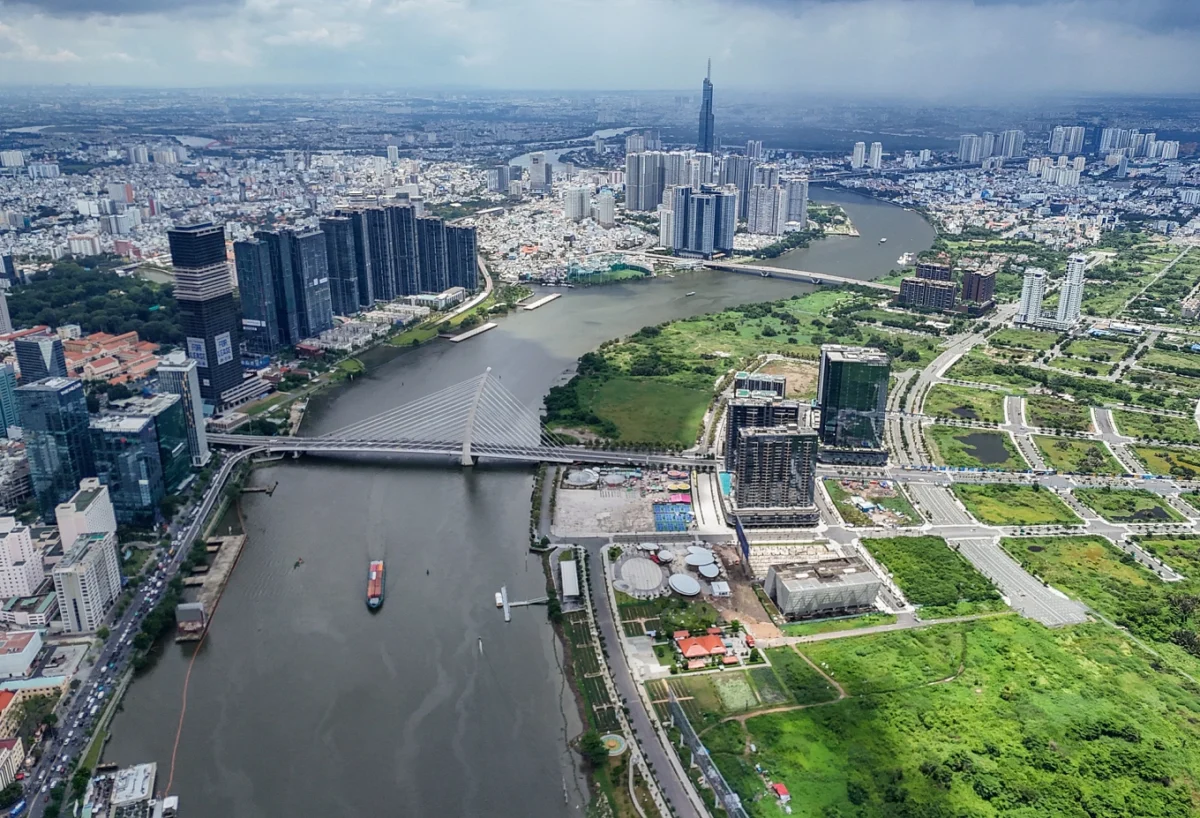
He believes the biggest bottleneck lies in implementation. Many projects are not short of capital, and businesses have sufficient capability, but execution remains prolonged due to overlapping procedures, manual coordination among departments, and a fear of responsibility.
“If officials are still afraid of making mistakes, afraid to sign, and unwilling to make decisions, then breakthroughs will remain extremely difficult, no matter how many new mechanisms are introduced,” Mr. Ky stated.
Link to the article on Vnexpress: https://vnexpress.net/tp-hcm-truoc-buoc-ngoat-lon-nhat-tu-sau-doi-moi-5073309.html