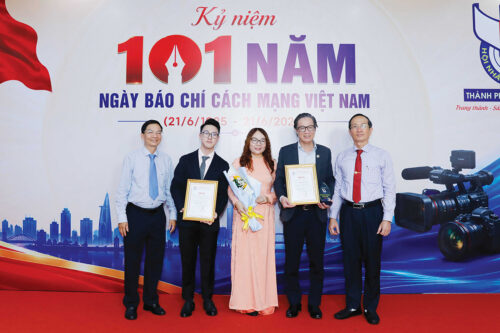
Mr. Dinh Hong Ky gave an interview to VnExpress, published on May 18, 2026.
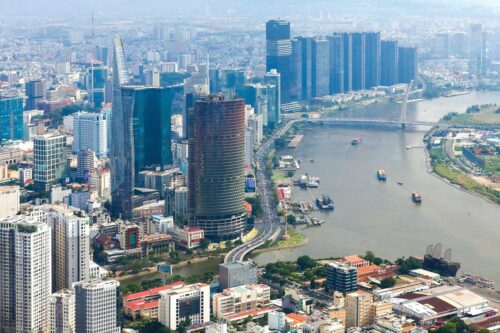
After the merger, Ho Chi Minh City has taken on the scale of a mega-city but now faces the risk of losing momentum as many of the growth drivers that once established its position as Vietnam’s economic engine are gradually reaching their limits.
At noon in early May, the northwestern traffic hotspot of Ho Chi Minh City remained heavily congested. At the Tay Thanh – Truong Chinh intersection, the gateway to Tan Binh Industrial Park, motorcycles, trucks, and container vehicles squeezed through residential neighborhoods and factory areas.
Tan Binh Industrial Park, once one of the brightest symbols of Ho Chi Minh City’s early industrialization era, was established in 1997 with an area of nearly 180 hectares and more than 71 hectares of supporting residential zones. At that time, the city’s northwestern area was still considered suburban, with abundant land and low costs, attracting workers from Cu Chi and Hoc Mon districts.
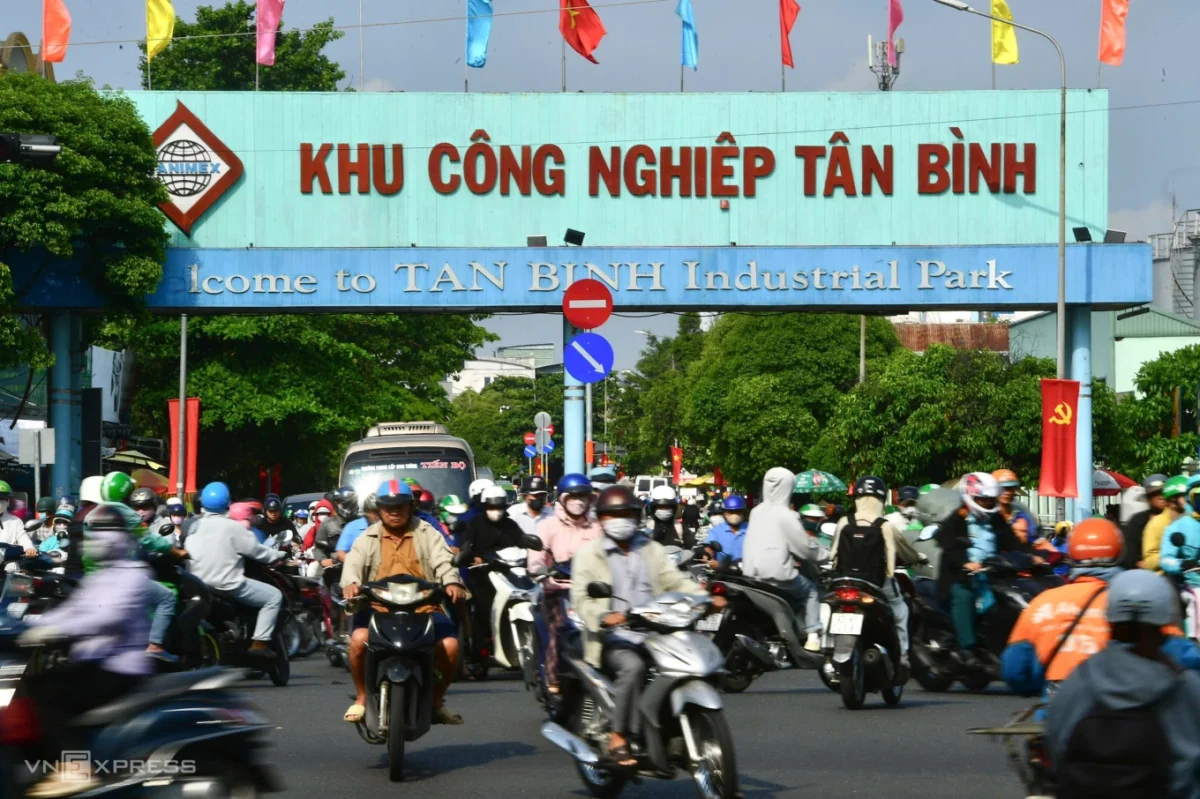
Thanks to its location approximately 10 km from the city center and only 3 km from Tan Son Nhat International Airport, the area quickly became one of the city’s major manufacturing hubs. Numerous companies in mechanical engineering, garments, packaging, chemicals, plastics, electronics, pharmaceuticals, household goods, printing, and food processing invested there. At its peak, the industrial park attracted more than 100 investors and created jobs for over 25,000 workers.
Between 2016 and 2019, the industrial park’s added value increased by more than 14% annually on average, while revenue per hectare rose from USD 8.73 million to USD 16.33 million, surpassing the average performance of industrial parks across Ho Chi Minh City. However, after three decades of urbanization, the model that once served as a major growth engine has begun to reveal its limitations.
Roads surrounding the industrial park, such as Truong Chinh, Cong Hoa, and Le Trong Tan, are frequently congested. Trucks face restricted operating hours because the area is now located within the urban core. Factories have become surrounded by densely populated residential areas, increasing environmental pressure, while businesses are finding it increasingly difficult to recruit workers due to rising living costs.
The model of multi-story factories has been considered as a way to improve land-use efficiency, but implementation remains difficult because many businesses operate heavy machinery requiring substantial load capacity. Some land plots are gradually being converted into warehouses, logistics facilities, or e-commerce operations to capitalize on their proximity to the airport and city center.
Facing these limitations, Ho Chi Minh City plans to pilot the transformation of Tan Binh Industrial Park and four other industrial parks into an “industrial-urban-service” model, gradually reducing labor-intensive and polluting industries. However, according to Tanimex, the project developer, the transition will not be easy because many enterprises have invested in large-scale factories that have operated stably for decades, making relocation costs extremely high.
Extensive Growth Has Reached Its Limit
The story of Tan Binh Industrial Park clearly reflects the broader picture of Ho Chi Minh City’s industrial sector, which contributes approximately 32% of the city’s Gross Regional Domestic Product (GRDP).
For many years, Ho Chi Minh City has focused on developing four key industrial sectors: food processing; chemicals, plastics, and rubber; mechanical engineering; and electronics-information technology. However, the sector still operates under two parallel models: pursuing technological advancement and deep processing while simultaneously relying on subcontract manufacturing, low-cost labor, and extensive expansion to maintain socio-economic indicators.
A report on the operations of Ho Chi Minh City’s 17 export processing zones and industrial parks during the 2016–2019 period showed that labor-intensive industries such as textiles and footwear accounted for approximately 33% of total export turnover, equivalent to USD 8.16 billion, exceeding the electronics-information technology sector, which generated around USD 5.5 billion and represented 22%. Despite high export volumes, the textile sector was also among the most loss-making industries, recording losses of more than USD 81 million.
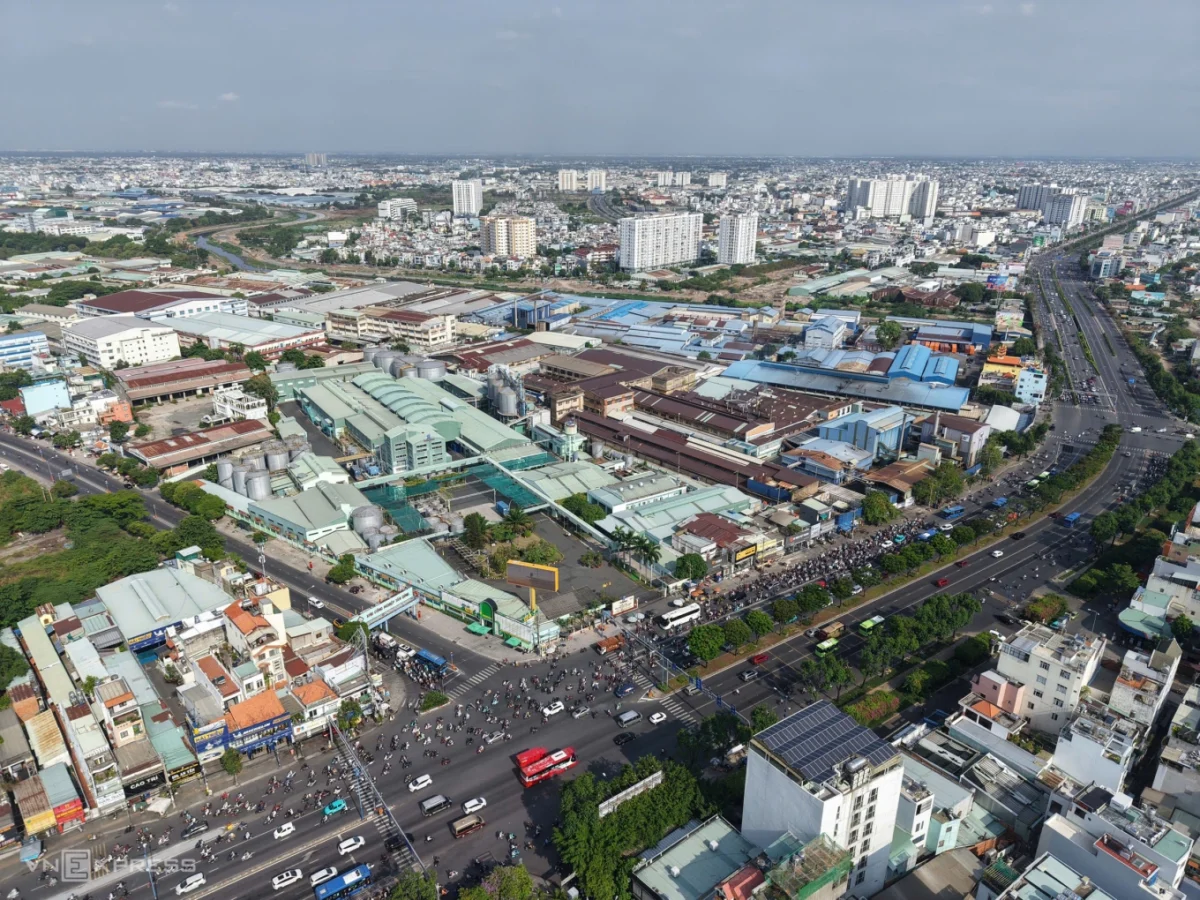
After the merger, Ho Chi Minh City now has 58 active industrial parks and export processing zones. Ms. Nguyen Vo Minh Thu, Deputy Head of the Ho Chi Minh City Export Processing and Industrial Zones Authority (Hepza), stated that many industrial parks are now facing the need for transformation because they are no longer compatible with the development context of a mega-city.
From the business community’s perspective, Mr. Dinh Hong Ky, Chairman of the Ho Chi Minh City Construction and Building Materials Association, believes the city is currently facing a “dual infrastructure burden” — severe overload within the urban core combined with weak interregional connectivity.
“Transportation infrastructure is the bloodstream of the city’s economy. It determines the cost, speed, and expansion capability of all manufacturing, logistics, and commercial activities,” he said. According to him, delays in developing ring roads, metro lines, interregional expressways, and logistics systems have caused Ho Chi Minh City to miss opportunities to create new growth poles.
Link to the article on Vnexpress: https://vnexpress.net/tp-hcm-hut-hoi-tren-duong-ray-cu-5073289.html